Online & OTC Hearing Aids vs Professionally Fitted: What's the Real Difference?
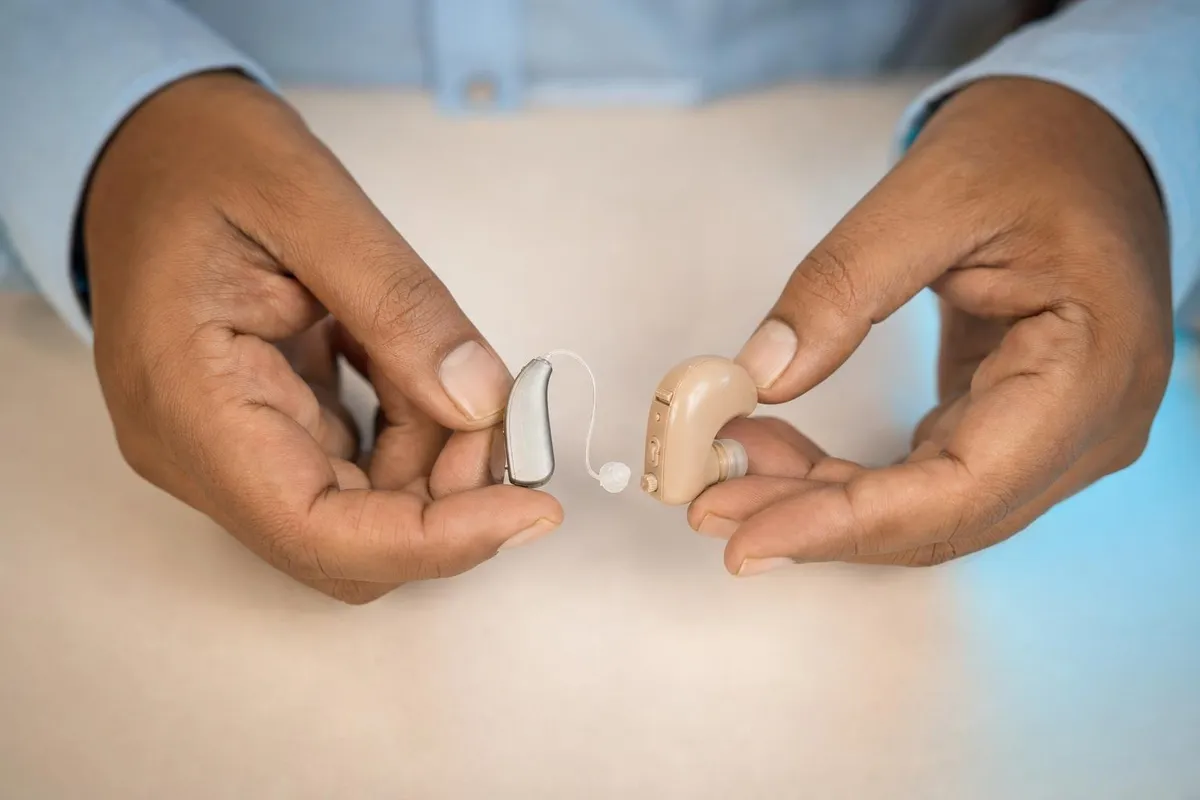
The difference between a ₹3,000 “hearing aid” from an online marketplace and a ₹30,000 professionally fitted one is not markup — it’s that only one of them is programmed to your hearing loss. Here’s the honest breakdown: what the cheap devices are, what fitting actually involves, when the cheap option is defensible, and how to evaluate any seller.
The difference at a glance
| Online amplifier / “OTC” device | Professionally fitted hearing aid | |
|---|---|---|
| Typical price | ₹2,000 – ₹10,000 | from ₹15,000 per ear |
| Programmed to your audiogram | No — boosts all pitches equally | Yes — shaped frequency by frequency |
| Hearing test first | No | Yes (free at Let’s Hear) |
| Catches wax / infection / medical causes | No | Yes — examined before anything is sold |
| Fit verified on your ear | No | Yes |
| Follow-up tuning as you adapt | No | Yes, free |
| Warranty & servicing | Rarely | Yes, at 8 clinics |
| Trial period | Returns only | 7-day real-life trial |
The rest of this guide explains why each row matters.
What the cheap devices actually are
Most sub-₹10,000 devices sold online in India are PSAPs — personal sound amplification products. They boost all frequencies roughly equally. But hearing loss is almost never equal across frequencies: the typical pattern keeps low pitches near-normal while high pitches (where speech consonants live) fade. An equal-boost device makes what you already hear uncomfortably loud while barely helping what you’re missing — the audio equivalent of ready-made spectacles for an astigmatism.
There’s a second problem nobody mentions in the listings: skipping the assessment skips the diagnosis. A proportion of “hearing loss” walking into our clinics is wax, fluid, or infection — treatable, no device needed. Buy an amplifier online and that treatable cause stays untreated underneath it.
What “professionally fitted” actually involves
Fitting isn’t a shop wrapping the box nicely. Concretely:
- A diagnosis first. A free hearing test maps each ear across the speech frequencies and checks for medical causes.
- Programming to your audiogram. The aid’s amplification is shaped frequency-by-frequency, ear-by-ear, to your measured thresholds — quiet sounds lifted into audibility, loud sounds kept comfortable. This is the entire point of a hearing aid, and it cannot happen without your audiogram.
- Verification on your ears. The fit is checked on your ear canal — canal size changes how much sound actually reaches the eardrum — and adjusted from your feedback in real listening.
- The adaptation period, supported. Your first weeks reveal what needs tuning; fitted aids get re-tuned free as your brain re-adapts to sounds it hasn’t heard in years. An amplifier gives you day one forever.
- Aftercare at 8 clinics — cleaning, servicing, consumables, re-programming as your hearing changes — plus a 7-day trial and 0% EMI. Real fitted aids start around ₹15,000 per ear, not ₹1,50,000 — see the price guide.
The real cost math
The cheap device only saves money if it gets worn. What we see in practice: unfitted amplifiers are abandoned in drawers at a very high rate — too loud, too harsh, too useless in exactly the noisy situations that prompted the purchase. ₹6,000 spent twice on abandoned devices, plus years of untreated loss making eventual adaptation harder, is not the economical path. A ₹15,000–₹30,000 entry-level fitted aid that’s actually worn every day is.
When is a cheap device defensible?
Honesty requires the other side. A basic amplifier can be a reasonable stop-gap when all of these are true:
- The need is occasional, quiet, one-to-one listening — not workplaces, gatherings, or traffic
- A fitted aid is genuinely out of financial reach right now (ask about 0% EMI first — it changes the math for many families)
- A hearing test has already ruled out treatable causes and severe loss
Even then, treat it as a bridge, not a destination — and get the free test first so you know what you’re bridging.
About “OTC hearing aids”
The regulated OTC category you may have read about is a US framework for mild-to-moderate loss with self-fitting apps. Most cheap devices on Indian marketplaces are not that — they’re unregulated amplifiers using the OTC label as marketing. If you’re evaluating a genuine self-fitting device, apply one test: does it measure your hearing and shape its amplification accordingly, frequency by frequency? Most don’t. And even the genuine ones can’t examine your ear canal, catch the wax or infection, or verify the fit.
Questions that expose any seller in two minutes
- Will this be programmed to my measured audiogram? By whom?
- What happens if it doesn’t help — trial period, returns?
- Who services it, where, and what do follow-up adjustments cost?
- What exactly is the warranty, and on what components?
Confident, specific answers are what you’re paying for at a clinic. Vague ones are what ₹3,000 buys.
The bottom line
If budget is the constraint, tell us — an honestly fitted entry-level hearing aid (Signia Intuis, Widex Enjoy, Oticon Ruby) costs far less than most people fear and outperforms any amplifier at any price, because it’s built from your audiogram. Start with the free test; the numbers and options come after, with no obligation. Find your nearest clinic or try the 5-minute online check right now.