Phonak vs Signia vs Oticon vs Widex: Which Hearing Aid Brand Is Best in India?
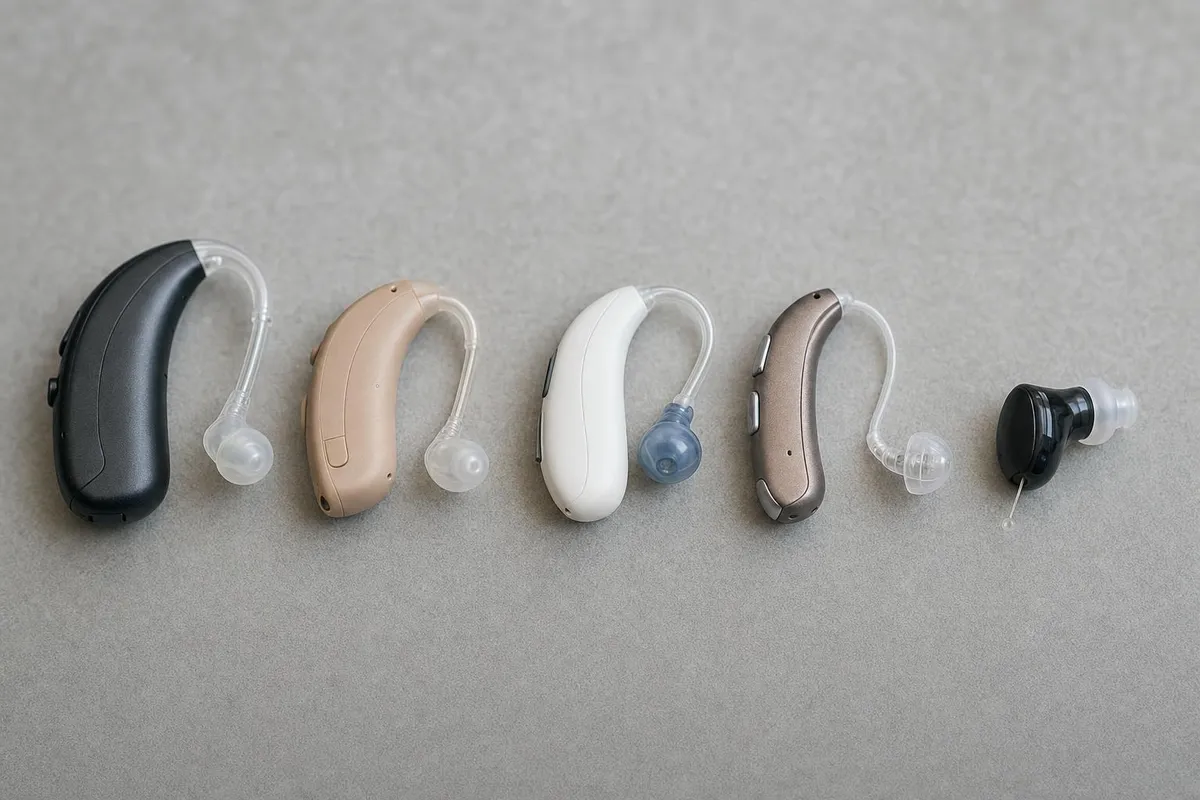
There is no single “best” hearing aid brand in India — each of the seven major manufacturers leads in something different, and the right choice depends on your audiogram and daily life. As a brand-independent clinic fitting all seven, here is what each genuinely does best in 2026, how their platforms work, and — most usefully — how to compare them with your own ears.
The 7 brands at a glance
| Brand | Origin | Known for | 2026 flagship | Price range (per ear) |
|---|---|---|---|---|
| Phonak | Switzerland | Speech clarity in noise (dual-chip AI) | Audéo Sphere Infinio | ₹30,000 – ₹4,00,000 |
| Signia | Germany | Design + group-conversation tracking | Pure Charge&Go IX | ₹15,000 – ₹3,50,000 |
| Oticon | Denmark | Least listening effort (BrainHearing) | Intent | ₹25,000 – ₹4,00,000 |
| Widex | Denmark | Most natural sound (ZeroDelay) | Allure | ₹25,000 – ₹3,80,000 |
| ReSound | Denmark | Connectivity + Auracast streaming | Vivia | ₹30,000 – ₹3,50,000 |
| Starkey | USA | Health tracking + fall detection | Genesis AI | ₹40,000 – ₹4,00,000 |
| Unitron | Canada | Flexible value, upgrade-later | Vivante platform | ₹53,500 – ₹5,25,000 |
Price ranges are per ear across all technology tiers we stock, updated July 2026 — see the full catalog for per-model prices.
What each brand is known for
Phonak — speech in noise. The Swiss maker’s flagship Audéo Sphere Infinio uses a dedicated AI chip (DEEPSONIC) to separate speech from noise in real time — currently the benchmark for restaurants and crowds. Also strong: waterproof options (Lumity Life), the Naída power line for severe loss, and CROS solutions for single-sided deafness.
Signia — design and group conversations. The IX platform tracks multiple speakers in real time. The Styletto is the best-looking hearing aid on the market, the Silk offers instant-fit, near-invisible wear, and the Active Pro looks like consumer earbuds. Widest price spread too — from the ₹15,000 Intuis up.
Oticon — less listening effort. Its BrainHearing philosophy keeps the full 360° soundscape rather than aggressively filtering, letting your brain focus naturally. The 2026 Intent adds sensors that read your head movement to understand what you’re trying to hear. Xceed remains one of the most powerful aids made for profound loss.
Widex — the most natural sound. ZeroDelay processing removes the tinny, artificial echo other digital aids can have. The consistent favourite of musicians and first-time wearers who “just want it to sound normal.”
ReSound — connectivity. A pioneer of direct streaming and the Auracast future: Nexia and Vivia stream broadcast audio in public venues. Excellent app control and spatial “Organic Hearing.”
Starkey — health tracking. The American maker turned hearing aids into wearables: step counting, engagement tracking and automatic fall-detection alerts — a genuine safety feature for elders living alone. Genesis AI adds 51-hour battery life and IP68+ durability.
Unitron — flexible value. Shares Phonak’s parent company’s platform strengths at friendlier prices, with upgrade-later flexibility.
Understanding “platforms” — and the smart-money move
Every brand refreshes its chip platform every couple of years; models on the newest platform command flagship prices. What brochures don’t emphasise: the previous-generation flagship is usually still outstanding — the Phonak Audéo Lumity and Starkey Evolv AI in our catalog carry most of the everyday performance of their successors at a clearly lower band. If your budget is stretched, one platform back at a higher technology tier frequently beats the newest platform at a lower tier.
Want the layer beneath the badges — who actually owns each brand, and how their sound-processing philosophies genuinely differ? See the companion piece, how Signia, Phonak, Widex and Oticon actually differ.
How to actually compare brands — the trial method
Spec sheets won’t settle this; your ears will. During your 7-day trial, test the shortlist in the situations that matter, and pay attention to five things:
- Your own voice. Does it sound natural or boomy when you speak? This is where brand sound philosophies differ most obviously.
- The dinner-table test. A conversation with 3+ people, TV on. Which aid keeps voices separated with the least strain?
- Traffic and wind outdoors. Some platforms handle wind and sudden noise (a horn, clattering vessels) far more gracefully.
- Your phone. Take real calls; stream something. Check the app: is it something you’d actually use?
- End-of-day fatigue. The subtlest and most important measure: after a full day, how tired is your listening brain? Less effort is the whole point.
Keep notes per aid — after a week the winner is usually obvious, and it’s not always the most expensive one.
Service matters as much as the box
A hearing aid is a 5–7 year relationship, not a purchase. Whichever brand you choose, confirm: warranty length, where servicing happens, what follow-up tuning costs, and consumable availability. Because we fit and service all seven brands at all 8 clinics, patients aren’t locked to one brand’s service counter — worth considering if you travel between our cities.
The honest answer
“Which brand is best?” is the wrong question; “which brand is best for this audiogram and this life?” is the right one. A tech-loving manager who lives on calls has different needs from a farmer in a quiet village or a grandmother whose family worries about falls. That’s also why price ranges overlap so much across brands — see our price guide.
Because we fit all seven brands at all 8 clinics, our audiologists recommend against your test results — and you can trial the shortlist for 7 days before deciding. Book a free hearing test and compare the contenders with your own ears.